In the dynamic world of digital entertainment, online casino transactions have long captured the interest of many in India. With the rise of smartphones and high-speed internet, platforms offering games like poker, roulette, and slots became accessible to millions. However, as of 2025, the landscape has shifted dramatically due to new regulations. This blog explores the intricacies of online casino transactions in India, focusing on legal aspects, payment options, security measures, and tax considerations.
Our goal is to provide clear, helpful insights to keep you informed, whether you’re curious about past practices or navigating the current environment. Remember, staying updated on laws ensures responsible engagement with any form of online activity. India’s online gaming sector was once projected to reach billions in value, driven by user-friendly apps and exciting rewards. Yet, recent changes emphasize the need for caution. For those seeking reliable resources on gaming trends, discover more strategies and tips at https://stars777success.com/ – your gateway to smarter entertainment choices.
The focus here is on “online casino transactions,” a term often searched alongside phrases like “online gambling payments in India” or “secure casino deposits.” We’ll break it down step by step, ensuring the information is straightforward and based on credible sources.
The Legal Landscape of Online Casino Transactions in India
India’s approach to online casinos has always been complex, rooted in colonial-era laws like the Public Gambling Act of 1867, which bans most forms of gambling but leaves room for states to regulate. This act prohibits running or visiting gambling houses, with penalties including fines or short imprisonment. However, it doesn’t explicitly address online platforms, leading to a gray area for years.
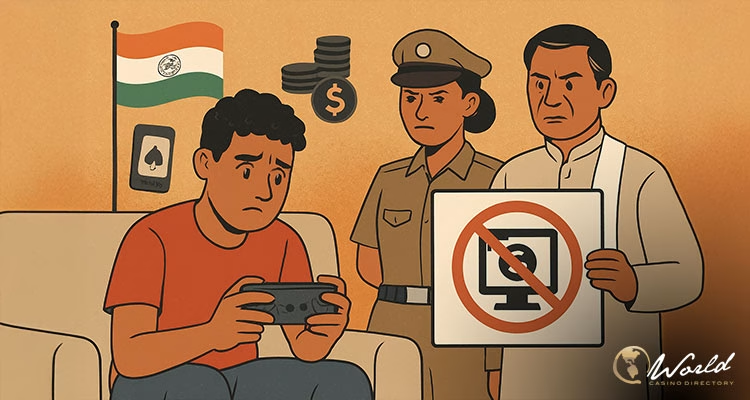
In 2025, the Promotion and Regulation of Online Gaming Act came into effect, marking a pivotal change. This law bans all real-money online games, including casinos, citing risks like addiction, financial fraud, and money laundering. It distinguishes between “online money games” (banned) and non-monetary e-sports or social games (regulated and promoted). Offenders, including players and operators, face up to five years in prison or hefty fines. The act empowers a National Online Gaming Commission (NOGC) to oversee compliance, block illegal sites, and promote safe alternatives like skill-based e-sports.
States have varying stances: Goa, Daman, and Sikkim previously allowed licensed casinos, including online ones, but the new federal law supersedes this for real-money activities. Telangana and Andhra Pradesh had already banned online gambling in 2020, while Maharashtra prohibits it under the Bombay Wager Act. As a result, transactions for online casinos are now largely illegal nationwide, with the government blocking over 1,500 sites by mid-2025.
This ban aims to protect users from exploitation, as unchecked platforms were linked to billions in annual losses. For enthusiasts, this means shifting focus to legal, non-monetary games. If you’re exploring compliant options, click here for exciting daily offers that align with regulations: Daily offers to stars777 – unlock fun without the risks.

Prior to the ban, transactions were possible via offshore sites accepting Indian rupees, but now, engaging in such could lead to legal issues. Always prioritize compliance for peace of mind.
Popular Payment Methods Used in Online Casino Transactions
Before the 2025 regulations, online casino transactions in India relied on convenient, digital payment systems tailored to local users. These methods emphasized speed, low fees, and mobile compatibility, reflecting India’s digital economy boom.
Unified Payments Interface (UPI) was a top choice, allowing instant bank-to-bank transfers via apps like Google Pay or PhonePe. Regulated by the RBI, UPI offered fee-free deposits and withdrawals, making it ideal for quick sessions. Paytm, an e-wallet giant, was equally popular for its seamless integration and cashback features. Users could link bank accounts or cards, ensuring transactions without sharing sensitive details directly.
Other options included IMPS for direct bank transfers, Neteller and Skrill for international e-wallets, and even cryptocurrencies like Bitcoin for anonymity. Visa and Mastercard debit/credit cards were widely accepted, though subject to occasional bank restrictions. RuPay cards, promoted by the government, gained traction for local focus.
Post-ban, these methods are irrelevant for illegal activities, but they highlight India’s fintech prowess. For those interested in secure, legal transactions in other digital spaces, learn about efficient withdrawal options here: 3 Patti cash withdrawal – streamline your experiences today.

In the past, minimum deposits ranged from ₹500-₹1,000, with processing times under minutes for deposits and 1-3 days for withdrawals. Today, focus on using these for legitimate purposes to avoid complications.
Security and Safety in Online Transactions
Security has always been paramount in online transactions, especially in sensitive areas like gaming. Even before the ban, reputable platforms employed advanced measures to protect users.
SSL/TLS encryption was standard, scrambling data during transfers to prevent interception. Two-factor authentication (2FA) added layers, requiring a code via SMS or app alongside passwords. Firewalls and transaction monitoring flagged suspicious activities, like unusual deposit patterns.
For Indian users, choosing RBI-regulated methods like UPI ensured built-in safeguards. Avoid public Wi-Fi, use VPNs, and monitor accounts regularly to spot issues early. Licensed sites (pre-ban) underwent audits for fairness, using RNG for games.
With the current ban, the emphasis is on avoiding unregulated sites altogether to prevent fraud. For general online safety tips, enhance your knowledge at https://stars777success.com/ – safeguard your digital journey now.

Remember, true security starts with legal compliance – steer clear of banned activities.
Tax Implications and Regulations on Winnings
Taxation on online casino winnings remains relevant, even post-ban, as any income must be reported. Under Section 115BB of the Income Tax Act, winnings are taxed at a flat 30% (plus 4% cess, totaling 31.2%), classified as “income from other sources.” No deductions for losses or expenses are allowed.
Pre-ban, platforms deducted TDS at 30% on net winnings over ₹10,000 under Section 194BA. Non-residents might benefit from DTAA treaties. Now, since activities are illegal, winnings (if any) could face scrutiny, with penalties for non-reporting.
For a deeper dive into gambling regulations, visit this external resource: gambling laws and regulations india – essential reading for informed decisions.

File winnings in your ITR to stay compliant, but prioritize legal avenues.
Conclusion: Navigating the Future Responsibly
Online casino transactions in India have evolved from a thriving niche to a regulated space emphasizing protection over profits. The 2025 ban underscores the government’s focus on curbing risks, pushing users toward safe, skill-based alternatives. While past methods like UPI and Paytm showcased innovation, today’s priority is adherence to laws for long-term satisfaction.
Stay engaged with compliant entertainment – explore more at Our stars777success page for tips that keep you ahead. Remember, informed choices lead to better experiences.